Skip to content


Showing 1–8 of 40 results

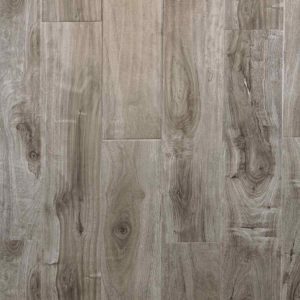
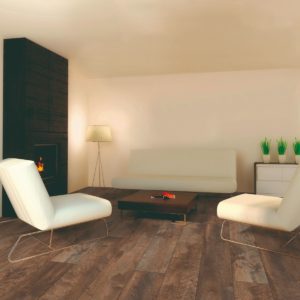
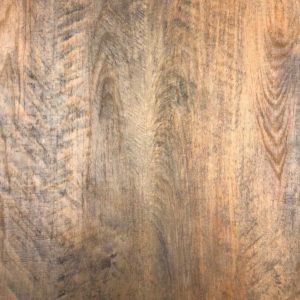

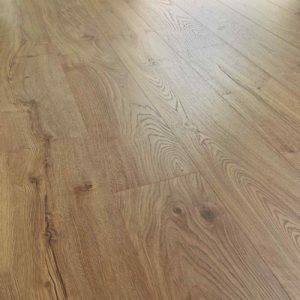


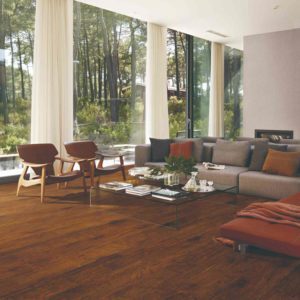

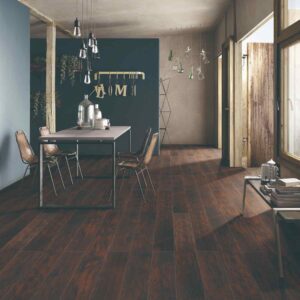





What are laminate wood floors?
Laminate wood flooring consists of pressed wood with 3 or 4 layers, depending on its use or manufacturer.
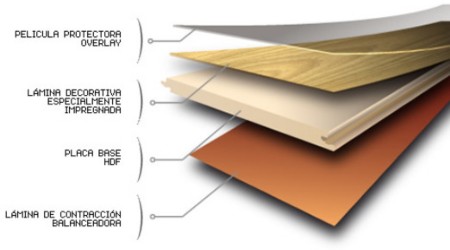
- Main Layer: This layer is the core foundation of the flooring, made from high-density compressed wood. It provides stability and impact resistance to the floor. Sometimes, this layer can be divided into two when the manufacturer adds underlayment within the piece.
- Design Layer: Also known as the image layer, it features the decorative design of the floor. It can mimic wood in various tones and styles.
- Protective Layer: A transparent layer made of a blend of resin and melamine, responsible for resistance to traffic and floor abrasion. It provides durability to the laminate wood flooring.
Based on the type of fusion used in the layers, there are two classes of laminate wood flooring:
- DPL: Direct Pressure Laminate, where all layers are fused in a single process at a pressure of 300-500 PSI.
- HPL: High-Pressure Laminate, achieved by joining its layers independently, starting with the core and then the other layers, at a pressure of 1300 PSI. These floors are typically composed of 4 layers.
Abrasion class (AC) rating
Laminate wood flooring is classified based on its abrasion resistance, known as the AC rating or abrasion criteria. For a floor to receive this classification, it needs to pass the “Taber test,” which involves a series of tests conducted on the laminate wood flooring.
These tests cover various aspects, including resistance to stains, heat, moisture, impact, and of course, abrasion. If the material fails any of the tests, the floor is considered of poor quality and does not receive an AC rating.
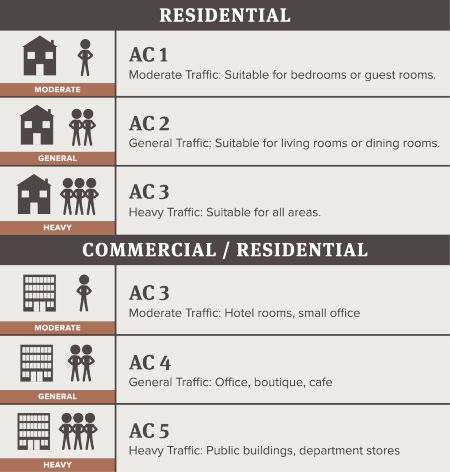
The AC scale ranges from 1 to 6, and its primary uses depend on the rating; different categories are obtained based on the type of traffic:
- AC1 to AC3: Residential traffic.
- AC4 to AC6: Commercial traffic.
AC6 is the highest rating, and it indicates heavy-duty HPL floors suitable for commercial spaces. Similarly, laminate wood flooring with AC4 and AC5 ratings are also suitable for commercial spaces.
AC3 and AC4 ratings are suitable for medium traffic and can be used in residential spaces such as offices, hallways, or living rooms. AC3-rated floors are ideal and preferred for residential areas, while AC4-rated floors are primarily manufactured and designed for light commercial traffic.
AC2 and AC1 ratings find application in areas with low to medium traffic, rendering them appropriate for any section of the household. They are ideal for residential spaces with moderate to light traffic.
Styles of laminate wood floors
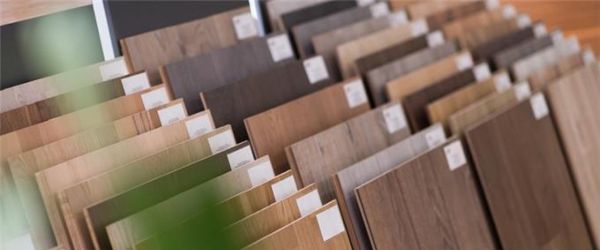
We all know that laminate is the finest imitation of solid wood, making it nearly imperceptible to differentiate between them nowadays. It also comes with unparalleled advantages; in its design, you can choose a wood style, and you’ll find all types of wood! From oak to walnut, pine to cherry, and in shades like cherry, red, or dark; and not only that, it features wood finishes imitating natural grains, aged styles, rustic looks, and more.
Moreover, laminate wood has styles capable of mimicking natural stone or marble, in different shades according to your taste. Light tones for open spaces and darker tones for cozier areas; undoubtedly, it will be beautiful and inviting. When it comes to styles, you should be demanding; as laminate wood floors can resemble nearly any element from nature. Choose the style you desire and the tone that appeals to you the most, as long as it complements your decor.
How to install laminate wood floors?
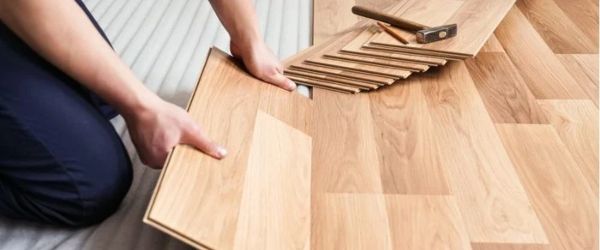
The installation of laminate wood flooring is a straightforward process. If you’re a DIY enthusiast, you’ll likely do it perfectly. The installation can be carried out using different methods: The first and most common is the click-lock or snap-together method, the second is the pre-attached underlayment method, and the last, more traditional one, is the glue-down installation.
Click-Lock or Snap-Together
For installing laminate wood flooring using this method, you’ll need an acoustic underlayment and a flat, clean surface. It can be installed over concrete or ceramic floors. First, ensure the surface is clean. Install the acoustic underlayment.
Once the surface is level and clean, prepare the acoustic underlayment and proceed to install the first row, snapping the pieces together along the shorter side until you reach the wall. Next, install the second row and continue this process until you’ve covered the entire area, cutting the pieces to fit and leaving expansion space. Lastly, make sure to properly install the respective baseboards and transition profiles to achieve better finishing for your project.
Pre-Attached Underlayment
In this method, the acoustic underlayment is already attached to the flooring, so you need to follow the same process, excluding the underlayment. Fit the pieces with the click-lock mechanism, and you can choose to include additional underlayment for improved results.
Glue-Down
This is the traditional installation method. Pieces are glued together, providing the material with some water resistance, which can be greater than with the click-lock method. This method doesn’t require an acoustic underlayment.
In any installation method, consider the basic steps to achieve impeccable results:
Prepare the floor and pieces
The installation of laminate wood flooring should be done on a smooth and clean surface. Hence, floor preparation should ensure these two aspects. The flatter and cleaner the subfloor, the better the results.
For preparing the pieces, it’s essential to acclimate the material for at least 72 hours. This allows the material to adjust to the environmental conditions of the installation area, ensuring the product’s longevity.
Tip: Utilize the acclimation time to plan the floor design by mixing pieces from different boxes.
Install the first row
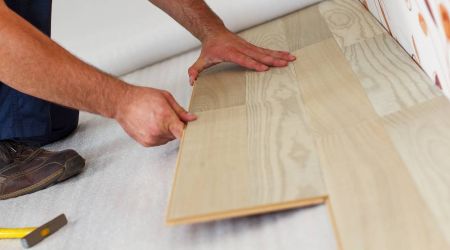
Proceed to install the first piece along the longest wall to make the most of the material and minimize waste. To begin, place spacers against the wall to properly position the first piece. Then, attach the second piece based on your chosen method, whether it’s a click-lock mechanism or glue.
Upon completing the first row, you’ll need to cut the last piece to fit, leaving space for expansion. Measure the remaining space and mark it with a square and pencil on the piece. Then, cut it to size using a table saw. Once cut, place it in the designated space.
Install the remaining rows
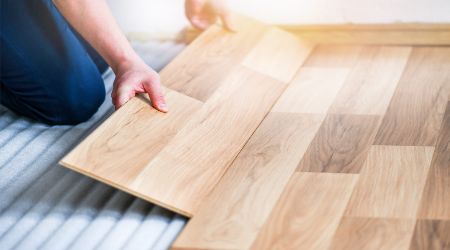
For the second row, use the cut piece from the end of the first row. This will achieve a staggered installation, which is ideal for maintaining floor stability. The first piece of this row should be attached to both the first row and the previous piece. To do this, utilize the click-lock mechanism and fit the piece along the longer side. The second piece of this row should also be attached to the first piece and the first row.
The installation should avoid gaps between the pieces, which is why it’s crucial to ensure that each piece is fully attached to the previous one. Repeat this process for the remaining rows until the entire floor is covered. For the last row, you might need to make cuts along the pieces to accommodate the spacers’ space.
Final installation adjustments
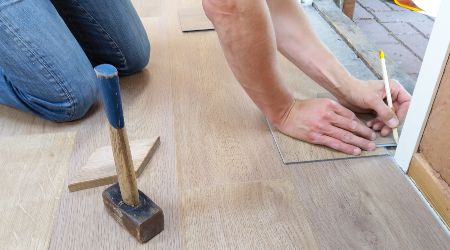
To finish up your installation, add the final touches. Installing baseboards and transition profiles will give a polished look to your project, and these are available in various designs and traditional shades.
To accomplish this task, having the right tools is crucial to complete the project. These tools may include:
- Pencil
- Tape measure
- Square
- Miter saw
- Rubber mallet
- Tapping block
- Adhesive
- Nails
These tools will help you achieve a professional finish and ensure that the baseboards and transition profiles are securely in place.
How to clean laminate wood floors?
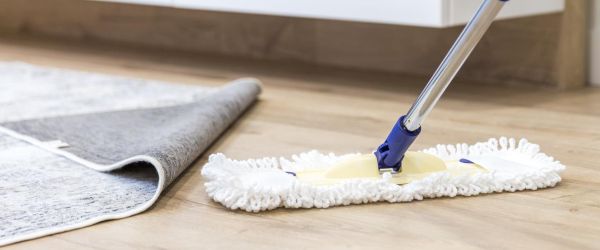
Cleaning and maintaining your laminate wood flooring is truly straightforward, requiring minimal time and effort, which is why homeowners love it. To keep your laminate wood floors in perfect condition, you’ll only need a soft-bristle broom, a damp mop, and a vacuum cleaner. Here’s the simple step-by-step process:
Dry Cleaning
To maintain your floor’s pristine condition, dry cleaning involves two processes:
- Sweep with the soft-bristle broom to remove any dirt and dust, preventing potential scratches in the future.
- A vacuum cleaner helps keep hard-to-reach places clean and intact.
Using the Damp Mop
Occasionally, clean the floor with a damp mop in the same direction as the floor pattern, ensuring thorough cleanliness.
Tip: It’s crucial that the mop isn’t overly wet, as excessive moisture can cause irreversible damage to the floor.
Appropriate Cleaning Products
For cleaning your laminate wood floor, homemade or specialized liquids are the best options, each with its advantages. Homemade solutions often consist of a mixture of hot water and vinegar, making them cost-effective, eco-friendly, and readily available. Specialized liquids, on the other hand, are designed for laminate wood floors, known for their pleasant scents and finishes.
When using these cleaning products, it’s recommended to sweep and damp mop at least once a week to keep your laminate wood floors looking like new.
Why choose laminate wood floors?
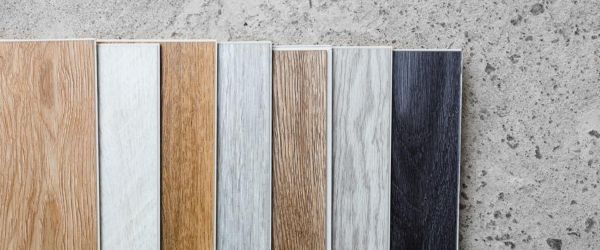
Laminate wood flooring is an excellent choice for homeowners, and here’s why. We’ll delve into the details of each reason that makes laminate wood floors the most sought-after option on the market.
Variety in Designs
Thanks to its properties and decorative layer, laminate wood can resemble almost any element from nature, whether it’s wood, stone, marble, and more, regardless of their shades or textures.
Quality
Laminate wood floors are of high quality, available in AC1 to AC5 ratings. Your choice depends on the needs you want to meet and the level of wear the floor will be exposed to.
Tip: AC1 to AC3 rated floors are ideal for residential areas, while AC4 to AC6 rated floors are perfect for commercial areas.
Durability
Laminate wood is known for its resilience and longevity, primarily due to its wear layer. With minimal care, you can extend the floor’s lifespan for many more years.
Environmentally Friendly
Since each layer mainly consists of recycled materials and wood, laminate wood flooring is the perfect alternative for environmentally conscious individuals.
Pros and cons of laminate wood floors
To make the right decision, it is of vital importance to be aware of the advantages and disadvantages of your laminate wood flooring, which are below.
What are the advantages of laminate wood floors?
- Durability: Due to the resilience of its materials, laminate wood is perfect for high-traffic areas and homes with children and pets.
- Installation: If you’re a DIY enthusiast, you’ll likely love laminate wood floors. Thanks to its click-lock installation system, the material can be installed with ease.
- Realism: Laminate wood boasts a decorative layer capable of mimicking any material flawlessly, including designs and textures, making these floors highly sought-after in the market.
- Eco-Friendly: Laminate wood flooring is manufactured from wood and recycled materials with low levels of toxicity.
- Water Resistance: Thanks to its layer composition and installation system, laminate wood floors can retain water for short periods, preventing it from seeping through the pieces.
What are the disadvantages of laminate wood floors?
- Impermeability: Since they’re composed of wood, water can seep in if the material is exposed for extended periods, causing irreversible damage.
- Versatility: Due to their limited water resistance, laminate wood floors cannot be installed in moisture-prone areas or places susceptible to spills, such as bathrooms, kitchens, garages, or basements.
- Acoustics: Laminate wood requires an acoustic underlayment and precise installation by an expert to avoid hollow or empty sounds, which can become quite bothersome over time.
Frequently asked questions: Laminate wood floors
We’ve taken the liberty to address some of the most frequently asked questions that arise from the curiosity of our customers.
Where can I install laminate wood flooring?
Laminate floors are ideal for residential spaces, and not just that, as they come in a wide variety of designs. You’re sure to find the most suitable option for any area of your home, such as bedrooms, dining rooms, living rooms, hallways, and other areas with moderate foot traffic.
How durable is laminate wood flooring?
The wear layer of laminate floors is highly resilient, designed to withstand scratches, stains, and heavy impacts, making them highly durable.
Are laminate wood floors suitable for kids and pets?
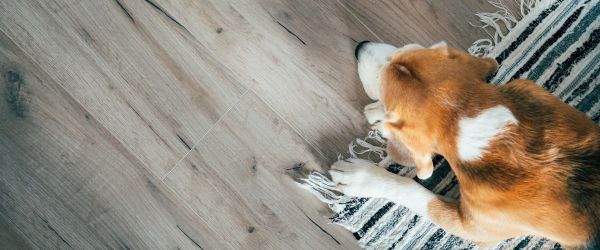
Thanks to their resistance to stains and scratches, laminate floors are perfect for homes with pets and children. They are easy to clean and maintain, so accidents won’t pose a major issue.
Are laminate wood floors water-resistant?
The answer is YES. Laminate floors are water-resistant, although not entirely waterproof. It’s advisable to clean spills or splashes immediately to prevent potential seepage and avoid irreversible damage to the floor.
Are laminate wood floors comfortable?
If you’re seeking comfort underfoot, laminate floors are an excellent choice. They feature a plywood core, a durable material with cushioning properties when touched.
Tip: Installing an acoustic underlayment enhances comfort and softness.
How easy is it to install laminate wood floors?
The installation process of laminate floors is quite straightforward. Each piece comes with a click-lock system that allows you to attach the pieces without the need for adhesive. Just follow the manufacturer’s instructions and have the appropriate tools on hand.
Is laminate wood flooring environmentally friendly?
Laminate wood flooring consists of a blend of wood and resins with low toxicity levels, emitting no harmful gases and thus maintaining the environment’s integrity.